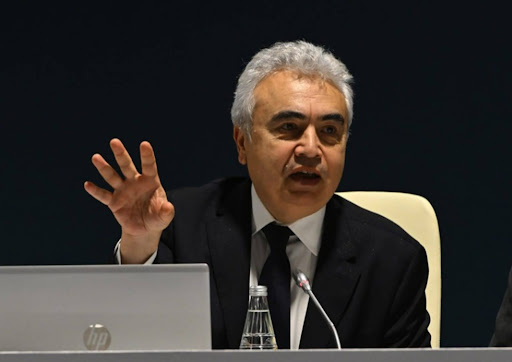
The Iran war and its catastrophic impact on global energy markets have permanently changed how the world must think about energy security, according to Fatih Birol, the head of the International Energy Agency. Speaking in Canberra, the IEA chief said the crisis — equivalent to the combined force of the 1970s twin oil shocks and the Ukraine gas emergency — had demonstrated that geopolitical risk to energy supply must now be treated as a constant reality, not an occasional exception. He called for fundamental reforms to how governments plan, invest in, and manage their energy systems.
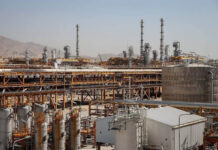
The conflict began February 28 with US and Israeli strikes on Iran and rapidly escalated, leading to the Hormuz strait’s closure and the severe damage of at least 40 Gulf energy facilities. These developments have removed 11 million barrels of oil per day and 140 billion cubic metres of gas from world markets. These figures surpass all previous energy crises combined, including the twin shocks of the 1970s and the Ukraine gas disruption.
The IEA deployed 400 million barrels from strategic petroleum reserves on March 11 — the largest emergency action in its history — while recommending demand-side policies including working from home, lower speed limits, and reduced commercial flights. Birol said further reserve releases were possible if market conditions required them, with only 20 percent of available stocks deployed so far. He said these measures were vital but temporary.
The Hormuz strait, carrying approximately 20 percent of global oil supply, remains closed to commercial shipping, hitting Asia-Pacific nations particularly hard. Japan signaled potential willingness to contribute military minesweeping assets if a ceasefire is achieved. European markets have also seen fuel supply tighten, and Birol said increased North American output could offer partial relief but would not compensate for global losses.
Iran threatened retaliatory strikes on US and allied energy and water infrastructure after Trump’s ultimatum expired without resolution. Birol met with Australian Prime Minister Anthony Albanese and urged coordinated global action. His broader conclusion was that the world’s energy security architecture, exposed as dangerously fragile by the Iran crisis, must be rebuilt with far greater redundancy, diversification, and international solidarity at its core.