Iran’s Revolutionary Guards issued a time-bound threat against Gulf energy hubs on Wednesday, warning of strikes within hours against facilities in Saudi Arabia, the UAE, and Qatar following Israel’s bombing of the South Pars gasfield. Specific targets were named and evacuation orders broadcast. Global oil prices rose sharply in response, with the international benchmark approaching $110 a barrel.
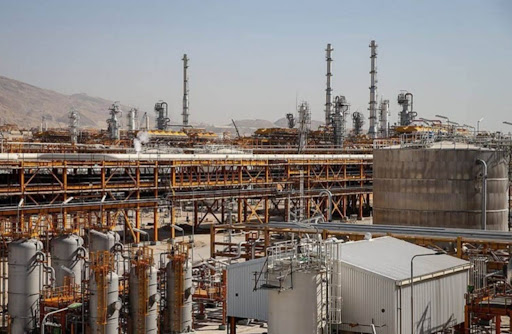
The South Pars gasfield is the world’s largest natural gas reserve and a vital pillar of Iran’s gas export economy. Israel’s strike on the field — reportedly with US backing — was the first direct attack on Iran’s fossil fuel sector in the conflict. Washington and Tel Aviv had previously avoided such a move, fearful of triggering the precisely the kind of retaliatory threat now materializing.
Iran’s state media named Saudi Arabia’s Samref refinery and Jubail complex, the UAE’s al-Hosn gasfield, and Qatar’s Mesaieed and Ras Laffan facilities as targets. Workers and residents were told to evacuate immediately. The Asaluyeh governor, Eskandar Pasalar, described the US-Israeli escalation as “political suicide” and said the war had entered a new phase defined by economic destruction.
Oil prices climbed to $108.60 a barrel, just below $110, while European gas benchmarks jumped more than 7.5% to over €55.50 per megawatt hour. Gulf oil exports had already fallen 60% from pre-war levels due to sustained attacks on infrastructure and Iran’s Strait of Hormuz blockade. Iran had been the only Gulf nation able to export crude through the strait unimpeded, a situation that had given it significant geopolitical leverage.
Qatar’s spokesperson Majid al-Ansari warned that targeting energy infrastructure threatened global energy security and regional communities. As Iran’s stated window for retaliation began, the world’s energy markets and diplomatic networks were under unprecedented strain. The conflict had arrived at a moment of maximum danger — one that threatened to redraw the energy landscape of the entire Gulf region.