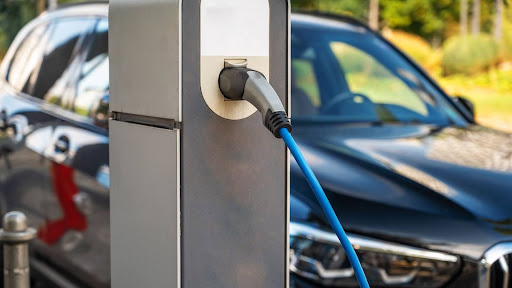
A jolt of market energy is running through the US electric vehicle sector, powered by geopolitical instability and its direct impact on American fuel costs. Gasoline has climbed to a national average of $3.90 per gallon — its highest point in nearly three years — following oil supply disruptions caused by the Iran conflict. EV searches have risen 20 percent in response, according to CarEdge, as consumers begin weighing their transportation options more seriously.
The conflict’s connection to American pump prices traces through the Strait of Hormuz. Iran’s closure of this critical waterway — carrying roughly a fifth of world oil supply — came in response to US and Israeli military strikes. The resulting supply disruption elevated global crude prices and pushed retail fuel costs higher for American consumers. The financial impact has been felt quickly and broadly across US demographics.
CarEdge’s Justin Fischer said the EV interest spike appeared within 48 hours of the conflict’s start and has continued. He predicted that sustained high prices would produce a more durable shift in consumer purchasing patterns. Edmunds’ Jessica Caldwell pointed to the social and psychological dimensions of gas pricing — its visibility, frequency, and communal quality — as factors that make it particularly effective at prompting changes in consumer thinking.
The affordable end of the EV market is attracting significant attention. Used electric vehicles from major brands are now available below $25,000, creating a pathway into electric transportation for middle-income American families who were previously priced out. Caldwell forecast that this segment of the market would see rapid inventory turnover as consumers respond to the current pricing environment.
Hybrid vehicles are another beneficiary of the current moment, offering improved fuel efficiency without requiring full EV infrastructure access. Toyota’s hybrid lineup is particularly well-positioned to benefit. But the broader question of whether the US EV market can sustain momentum beyond a gas price spike remains open — the policy environment has weakened, major automakers have pulled back, and the charging infrastructure continues to lag behind what mass adoption would require.