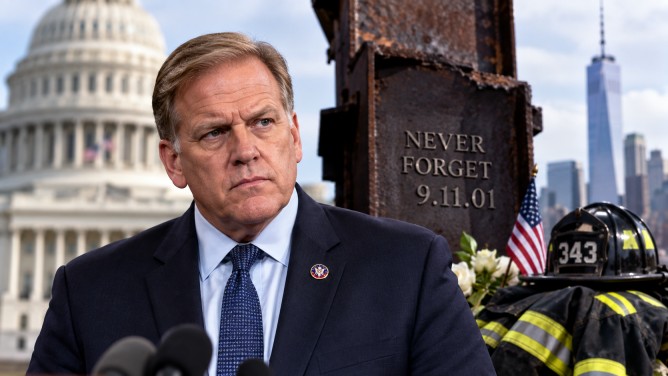
In the race for Michigan’s open Senate seat, Republican candidate Mike Rogers is under fire for his past voting record on healthcare and benefits for 9/11 first responders and survivors. This scrutiny comes as Rogers criticizes his Democratic opponent, Abdul El-Sayed, over prior comments related to the September 11 attacks. Rogers has pointed to El-Sayed’s older social media posts, alleging they show a sympathetic stance towards the attackers, a claim that has faced pushback from critics.
Among the criticisms of Rogers is his vote against the 2010 James Zadroga Act, which aimed to provide healthcare and monitoring for those who responded to the 9/11 attacks and were exposed to harmful conditions at Ground Zero. Rogers argued that the legislation posed a threat to national finances. Despite his and other Republicans’ opposition, the bill passed in the House. Furthermore, Rogers voted against additional funding for veterans’ healthcare and first responders in 2002, tied to legislation addressing the financial repercussions of 9/11 on New York schools.
Rogers’ record on issues affecting first responders extends beyond these votes. Over the years, he has opposed various proposals that included funding, pensions, and other benefits for first responders. John Feal, a 9/11 responder and advocate for healthcare benefits, has voiced strong criticism of Rogers, describing his stance as a betrayal. Feal stated he personally discussed the Zadroga legislation with Rogers during its consideration in Congress.
Adding to the controversy is a claim Rogers made in a campaign email, asserting he had seen Osama bin Laden’s body following the US military raid in Pakistan. However, Rogers was neither present in Pakistan during the raid nor in the White House Situation Room with senior officials monitoring the operation.
The ongoing disputes and scrutiny of past actions are playing a significant role in the competitive race between Rogers and El-Sayed. The outcome of this election could potentially influence the balance of power in Congress, as both candidates vie for a pivotal seat in Michigan.