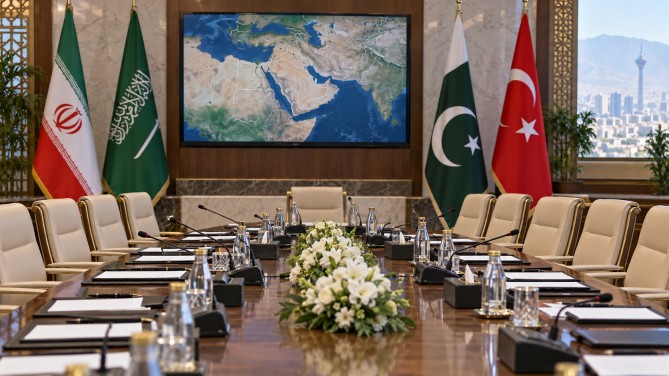
Iran is poised to host critical regional security talks in Tehran, bringing together senior officials from Saudi Arabia, Pakistan, and Turkey. The diplomatic gathering is aimed at mitigating rising tensions across the Middle East and will include key figures such as Saudi Defence Minister Khalid bin Salman, Pakistan’s army chief General Asim Munir, and Turkish intelligence chief Ibrahim Kalin. These discussions are expected to focus on enhancing regional stability and finding diplomatic solutions to ongoing conflicts.
The meeting is part of broader efforts, particularly from Saudi Arabia, to foster dialogue among nations impacted by regional conflicts. It also supports mediation initiatives led by Qatar and Pakistan. This assembly comes at a time of continuing tensions involving Iran, the United States, and Israel, compounded by security concerns over the Strait of Hormuz—a crucial corridor for global oil and gas shipments.
In Yemen, tensions have escalated as the Iran-backed Houthi movement continues its attacks on Saudi Arabia. In retaliation, the Saudi-led military coalition has targeted Houthi missile launchers and storage facilities to diminish their military capabilities. Additionally, Saudi Arabia has reported intercepting ballistic missiles aimed at Riyadh, with the Houthis claiming responsibility for attacks on Saudi infrastructure.
Saudi Arabia has responded to these threats by bolstering its air defenses, with Greece agreeing to maintain its Patriot missile defense system in the kingdom. The ongoing conflict highlights the persistent threat to regional security and vital infrastructure.
The Tehran meeting provides an opportunity for the involved regional powers to deliberate on strategies to contain conflicts, enhance security cooperation, and avoid further escalation. However, the success of these talks hinges on whether diplomatic engagement can lead to concrete measures addressing the region’s disputes.