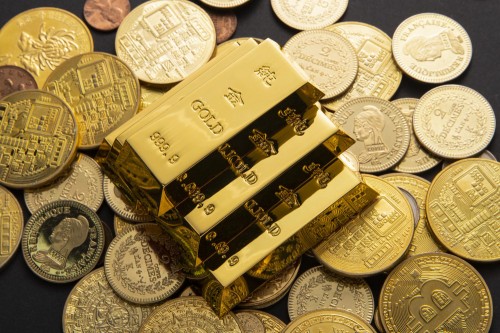
The price of gold saw a decline over the past week as the global markets reacted to the uncertain progress of negotiations between the United States and Iran, which aim to resolve a broader conflict in the Middle East. Trading around $4,450 per ounce, gold was poised for a weekly loss of approximately 2%. This dip was largely attributed to mixed signals from the involved parties, with U.S. officials indicating that peace talks were nearing completion, while Iranian representatives expressed doubts about any significant advancement, leaving investors unsure of a resolution.
The ongoing conflict, now reaching its fourth month, has significantly affected important energy routes through the Strait of Hormuz. This disruption has led to increased oil prices and heightened concerns over global inflation. In response to these inflationary fears, expectations have grown that central banks might sustain or even tighten interest rates, diminishing the appeal of non-yielding assets like gold. Consequently, gold has found it challenging to gain traction, maintaining a narrow trading range following sharp declines earlier in the conflict. The metal is still well below its pre-war valuations, indicating a decreased appetite for traditional safe-haven investments despite persistent geopolitical tensions.
Similarly, other precious metals experienced downturns, yet currency markets remained relatively stable, suggesting a diverse range of investor strategies amid ongoing global uncertainties. Analysts have pointed out that gold’s trajectory will likely be influenced by whether geopolitical tensions continue to escalate or if there’s diplomatic progress that stabilizes energy markets and tempers inflation expectations.
As the situation develops, the markets will be closely watching the potential outcomes of the US-Iran negotiations and their impact on both regional stability and global economic indicators. The uncertainty surrounding these talks continues to weigh heavily on investor sentiment, highlighting the complex relationship between geopolitical events and financial markets.