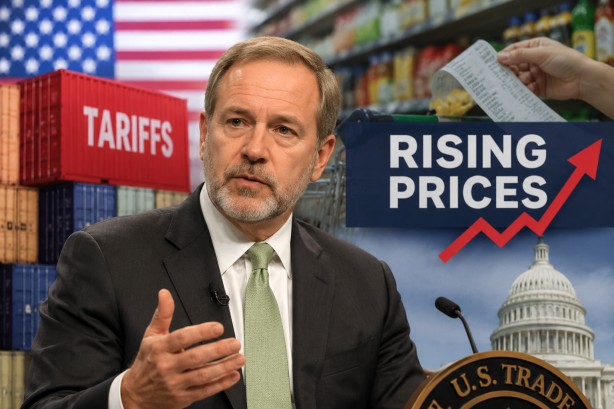
During a Senate hearing, U.S. Trade Representative Jamieson Greer staunchly defended the Trump administration’s tariff policy, countering claims that these tariffs have led to increased costs for American families. Greer maintained that core inflation has subsided and refuted the notion that tariffs are to blame for rising consumer prices.
Despite Greer’s assertions, Democratic lawmakers expressed skepticism, pointing to estimates that suggest tariffs have significantly raised household expenses and contributed to inflationary pressures. Senators Elizabeth Warren and Raphael Warnock were particularly vocal, criticizing the administration’s trade strategy and arguing that the heightened import duties have resulted in more expensive everyday goods, thereby increasing financial stress on consumers.
The senators also challenged the administration’s reluctance to acknowledge the role tariffs play in elevating the cost of living. Their concerns highlight the ongoing debate surrounding the influence of tariff policies on inflation and consumer expenses.
This discourse unfolds as the Trump administration gears up to introduce a new set of tariffs following the expiration of its existing trade measures. The trajectory of U.S. tariff policy remains a critical issue, with lawmakers and policymakers continuing to deliberate over its implications for inflation, businesses, and consumers alike.