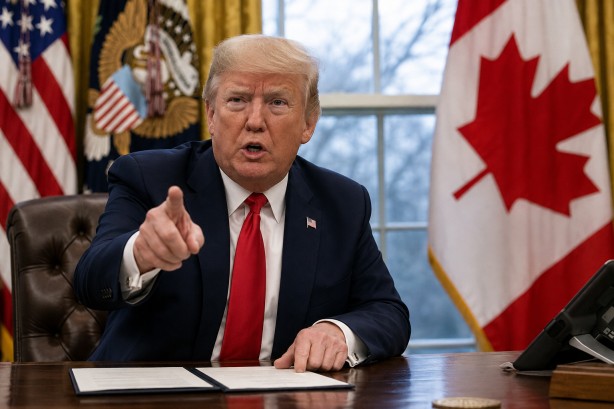
Trade tensions between the United States and Canada have intensified as negotiations between the two nations have collapsed. This breakdown has prompted US President Donald Trump to launch a sharp critique against Canada, escalating an ongoing trade dispute.
The US has imposed substantial tariffs, amounting to 50%, on approximately $20 billion worth of Canadian exports. These tariffs impact a diverse range of products, prompting Canadian Prime Minister Mark Carney to vow reciprocal measures. Carney declared that Canada would implement matching tariffs in response and rejected the terms set by Washington, framing the situation as an economic assault on Canada.
US Trade Representative Jamieson Greer justified the tariffs, arguing they are essential to safeguard American workers and supply chains. The escalating tensions have sparked concern among businesses and legislators in both countries. Canadian business organizations have cautioned that exporters and small businesses could suffer significant financial losses, while US lawmakers, particularly those representing border states, warned that the tariffs could drive up costs for businesses, farmers, and consumers.
In retaliation, Canada plans to introduce its own tariffs starting September 8, targeting products such as steel, dairy goods, appliances, and electronics. This move further complicates the trade dynamics between the two countries.
The ongoing dispute casts uncertainty over the future of the US-Mexico-Canada trade agreement, a crucial framework governing a significant portion of trade across North America. As both nations brace for the impact of these tariffs, businesses and policymakers on both sides of the border are closely monitoring developments.