Global oil prices took a significant dip as stock markets rallied following news of a peace agreement between the United States and Iran. This development has raised hopes that the Strait of Hormuz, a critical maritime passage for global oil shipments, might soon reopen to commercial traffic. Brent crude prices experienced a downturn of about 4%, falling below $84 per barrel, as investors responded positively to the potential resumption of Gulf oil exports, which have faced months of disruption due to the conflict.
President Donald Trump announced the successful completion of a peace deal with Iran, indicating plans to reopen the Strait of Hormuz and lift the US naval blockade. However, he clarified that these actions would be contingent on the formal signing of the agreement, anticipated later this week, and the completion of necessary mine-clearing operations beforehand. While the specifics of the agreement remain under wraps, ongoing negotiations are expected to address broader issues, such as Iran’s nuclear program and the easing of sanctions, over a 60-day period.
The potential for renewed oil flows has boosted global investor confidence. European stock indices saw gains, and Asian markets, led by Japan and South Korea, recorded strong rallies. Conversely, shares in energy companies faced downward pressure due to the decline in oil prices, which dampened expectations for sector profits. The conflict had previously caused significant disruptions to global energy supplies, removing millions of barrels of oil from the market daily. Although alternative export routes and emergency stock releases helped mitigate shortages, supply concerns had kept prices elevated throughout the crisis.
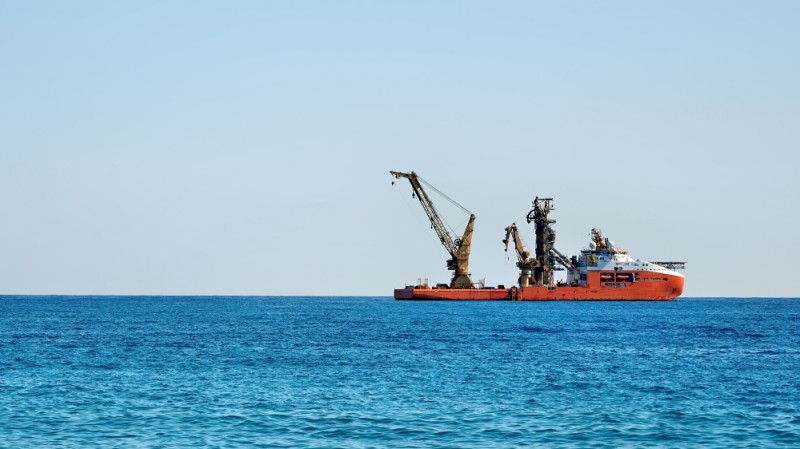
Despite the optimism surrounding the peace agreement, shipping companies remain cautious, with several vessels still stranded near the Strait of Hormuz. Industry experts warn that restoring normal shipping operations and repairing damaged infrastructure could take time. Market analysts suggest that oil prices might stabilize in the short term as countries work on replenishing strategic reserves and negotiations continue to address unresolved political and security issues.