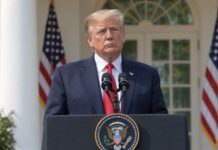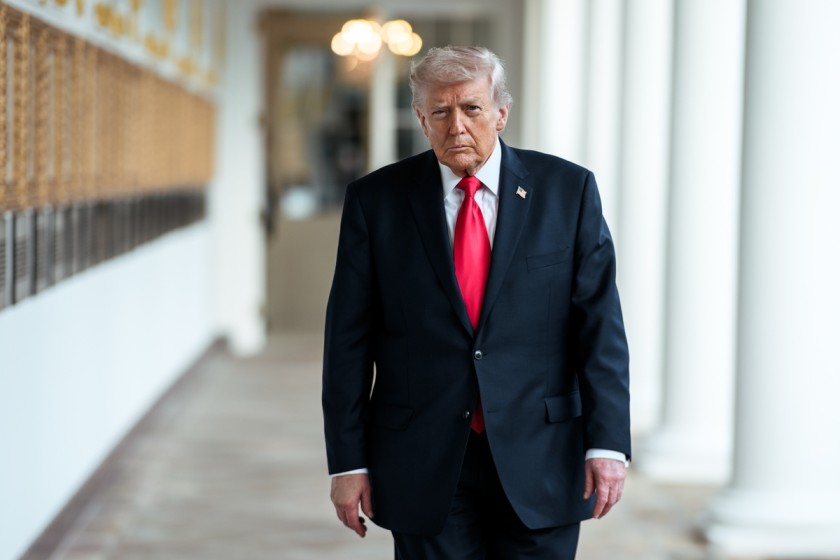
In a recent statement, US President Donald Trump asserted his ability to influence Israel to refrain from military actions in Lebanon, emphasizing that Israeli leaders value his leadership and judgment. This assertion comes in the midst of ongoing tensions between the United States and Israel concerning a US-Iran agreement designed to reduce regional conflicts across the Middle East.
The agreement, brokered by the United States and Iran, seeks to de-escalate hostilities in several conflict zones, including Lebanon, and aims to reopen the crucial Strait of Hormuz. Despite its intentions, Israel has expressed concerns about the deal, having been left out of the negotiation process. Although there have been reports suggesting that Israel consented to avoid military strikes on Beirut, Israeli forces continue to hold positions in southern Lebanon, casting doubt on the agreement’s full implementation. Additionally, private requests from the US for Israel to withdraw completely from certain areas in Lebanon have reportedly been declined.
President Trump also highlighted his rapport with Israeli Prime Minister Benjamin Netanyahu, characterizing it as generally positive. However, he noted the importance of strong leadership and open dialogue. The two leaders have occasionally clashed over regional policies, particularly those concerning Iran and broader security arrangements in the Middle East.
Efforts to uphold a ceasefire between Israel and Hezbollah are ongoing, yet sporadic skirmishes and mutual accusations of treaty violations continue to fuel tensions in the region. These developments underscore the fragile nature of peace efforts and the complex dynamics at play in Middle Eastern geopolitics.