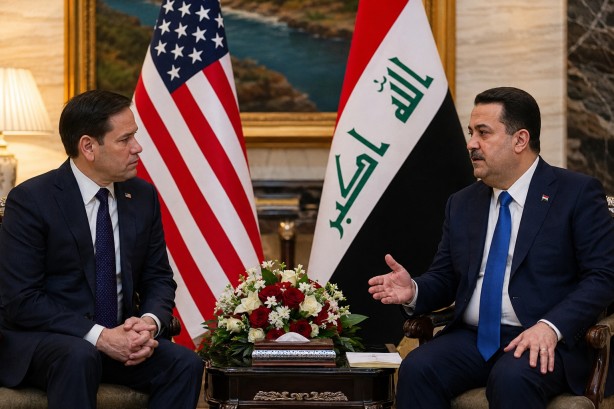
Iraqi Prime Minister Ali Al Zaidi’s recent visit to Washington marked a significant step in bolstering economic ties and security cooperation with the United States. During his high-profile trip, Al Zaidi secured vital economic agreements, aligning with his image as a leader committed to reform. The visit underscored Iraq’s ongoing efforts to attract foreign investment and strengthen its strategic partnership with the U.S.
While Al Zaidi received a warm welcome from U.S. officials, analysts have raised concerns about the practical challenges Iraq faces in fulfilling its commitments. Key among these are the ambitious security reforms and economic modernization plans, which are complicated by Iraq’s internal political situation and the influential presence of Iran-backed groups. The necessity for Baghdad to navigate its diplomatic relationships delicately with both Washington and Tehran adds another layer of complexity, given the persistent regional tensions.
The agreements reached during the visit provide a foundation for increased cooperation between the two nations, yet the success of these initiatives hinges on Iraq’s ability to implement the promised reforms effectively. Maintaining stable and productive relations with both the U.S. and Iran will be crucial for Iraq as it seeks to advance its national interests amid a challenging geopolitical landscape.
In summary, while the visit to Washington has opened doors for potential collaboration, Iraq’s path forward requires careful balancing of international alliances and a steadfast commitment to internal reform. The coming months will reveal whether these diplomatic efforts can translate into tangible progress for Iraq’s economic and security objectives.